| | | | | | Reconciliation Beyond September 30: What Does Reconciliation Look Like in Action In Anishinaabe teachings, the Grandmother Moon guides us, offering seasonal teachings rooted in care, balance, and relationships. These teachings will guide us throughout the year. October welcomes the Falling Leaves Moon, known in Anishinaabemowin as Binaakwe-giizis, the tenth moon of the year. As the leaves fall and the seasons shift, we are invited to consider what we carry forward in the months ahead. This includes the lessons and responsibilities that come with reconciliation. September 30th offers an important opportunity to honour Survivors, remember the children who never returned home from residential schools, and reflect on the lasting impacts of colonialism. But what happens after the orange shirts are put away? A key part of reconciliation is to take what we’ve learned and put it into practice through our everyday actions. Here are four ways to carry reconciliation forward: -
Choose a Call to Action: explore the Truth and Reconciliation Commission’s 94 Calls to Action. Choose one that matters to you and consider how you can contribute. Read about the Calls to Action here. -
Make space for Indigenous voices: Read books by Indigenous authors, listen to Indigenous led podcasts, and seek out perspectives that challenge your understanding. Our Donor Learning Corner offers a great place to start. -
Bring Reconciliation into everyday conversations: Share what you’ve learned with family, friends and colleagues. Speak up when you encounter stereotypes or misinformation. -
Support Indigenous leadership: Attend Indigenous led events open to the public, support Indigenous-owned businesses and contribute to initiatives that advance Indigenous self- determination, including access to culturally grounded health care. This month, choose one action and commit to following through. Small, but consistent steps can contribute to lasting change. Throughout this newsletter, you'll find more opportunities to learn, connect and support Indigenous communities beyond September 30. Your AHF Team |
| |
|
| Did you know: Anishnawbe Health Toronto’s Mobile Healing Unit offers essential healthcare services, including breast and cervical cancer screening, helping community members access preventive care and early detection services closer to home. |
|
|
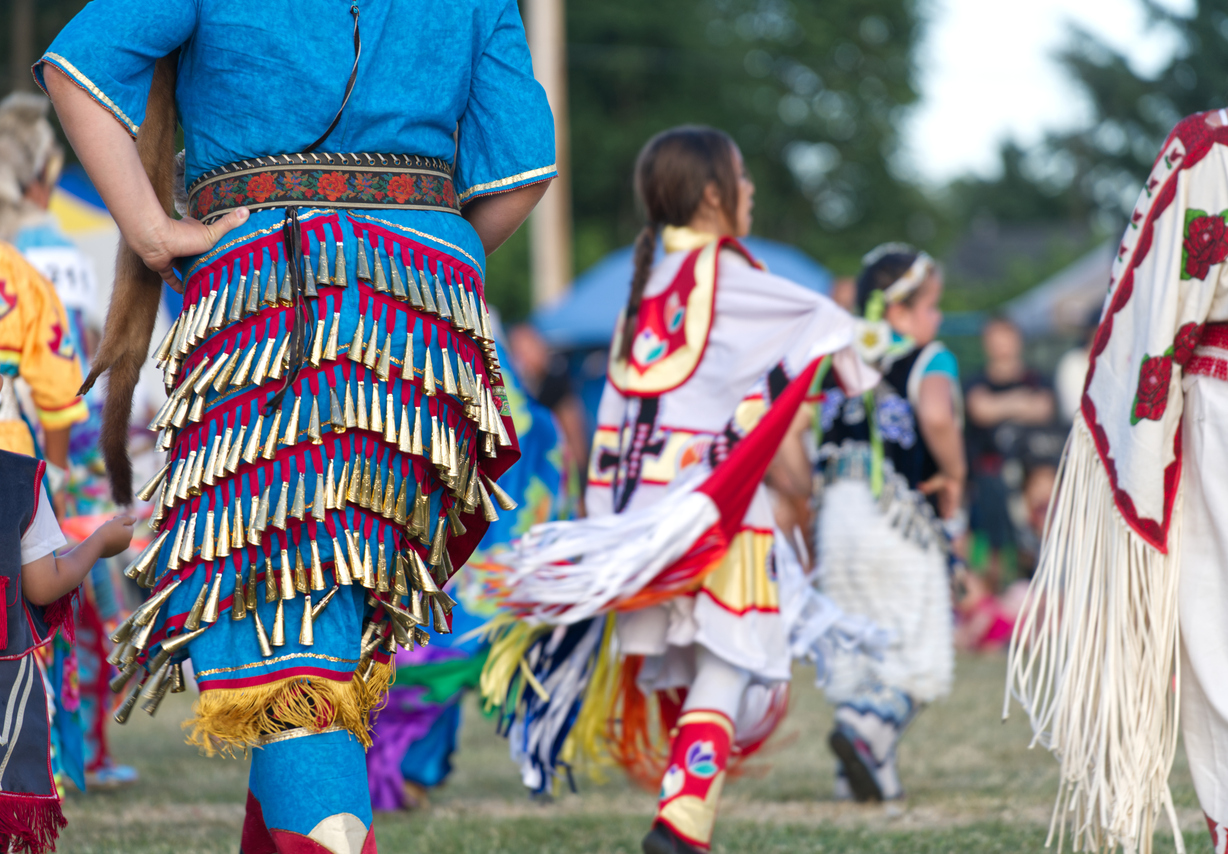
| | 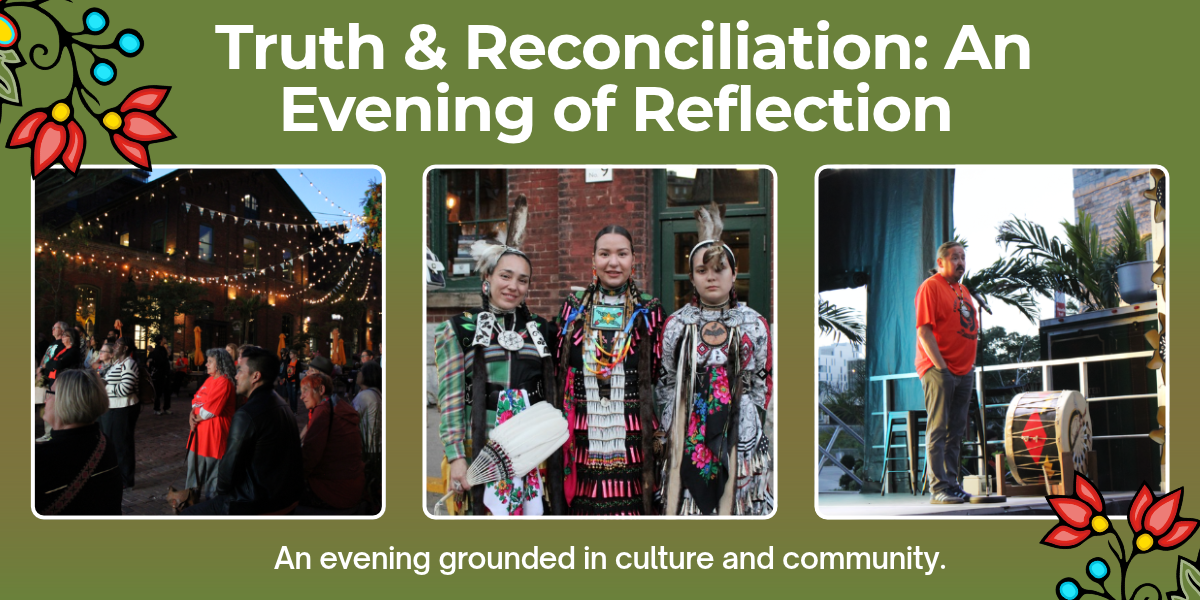 | | Chi Miigwech to everyone who gathered with us on September 29 at the Distillery District for an evening dedicated to Truth and Reconciliation. Together we joined to listen, learn and honour Indigenous voices through stories, song, drumming and Jingle Dress dancing. The evening was an opportunity to honour the children who never returned home from residential schools and reflect on the lasting impact these institutions continue to have on Indigenous families and communities. Michael Milward, Executive Director of Anishnawbe Health Toronto (AHT), spoke to this painful legacy, reminding us why remembrance and truth remain so important. Springwater Hester- Meawassige, AHT’s Oshkabewis Program Manager, also shared a vision for the future, speaking to the importance of Indigenous led healthcare and the right of Indigenous communities to determine their own paths to health and wellbeing. Miigwech to our speakers, dancers, singers, drummers, community members and everyone who stood alongside us. We hope the conversations and lessons shared that evening continue well beyond September 30. |
|
|
| |
|
| | Join us at Empty Bowls this November! |
|
|
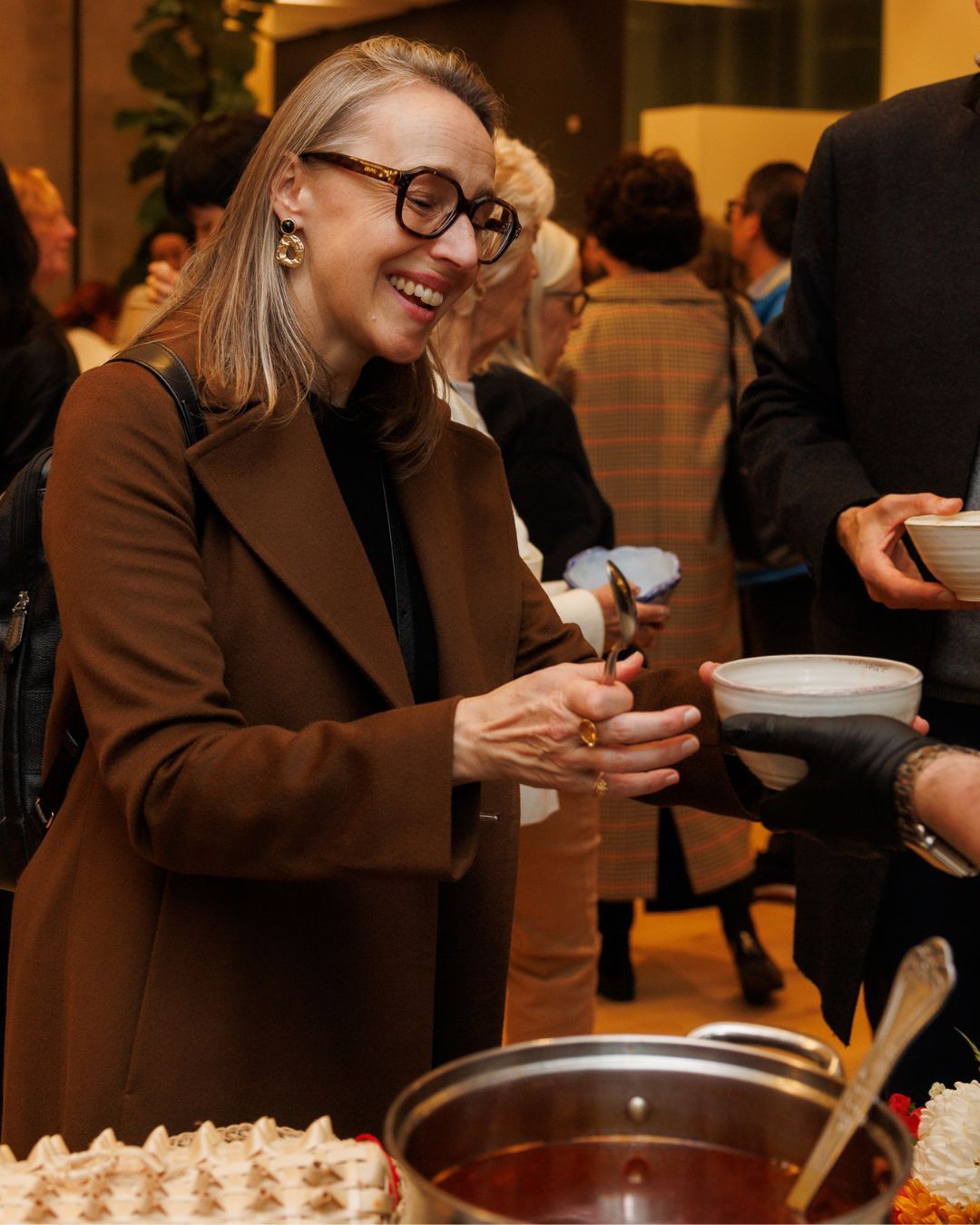
| Good food, beautiful art and a meaningful cause! Join us on November 16 from 5:30 PM to 8:30 p.m. at the Gardiner Museum for Empty Bowls, an annual fundraiser supporting Anishnawbe Health Foundation. For $100, you’ll enjoy soups prepared by local chefs and take home a handcrafted ceramic bowl created by a local potter. Tickets sell out every year, so don’t wait! (Please note: This is a standing-room event, and entry is first-come, first-served with the line-up starting at 4:30 PM). |
|
|
|
|
| | Did you know: Through a partnership with George Brown College, the Community Support Training program at AHT equips Indigenous participants with culturally grounded skills for careers in community health and wellness. Participants can earn a college certificate and continue toward a diploma. |
| | Honouring MMIWG2S+ Day in October and Beyond |
|
|
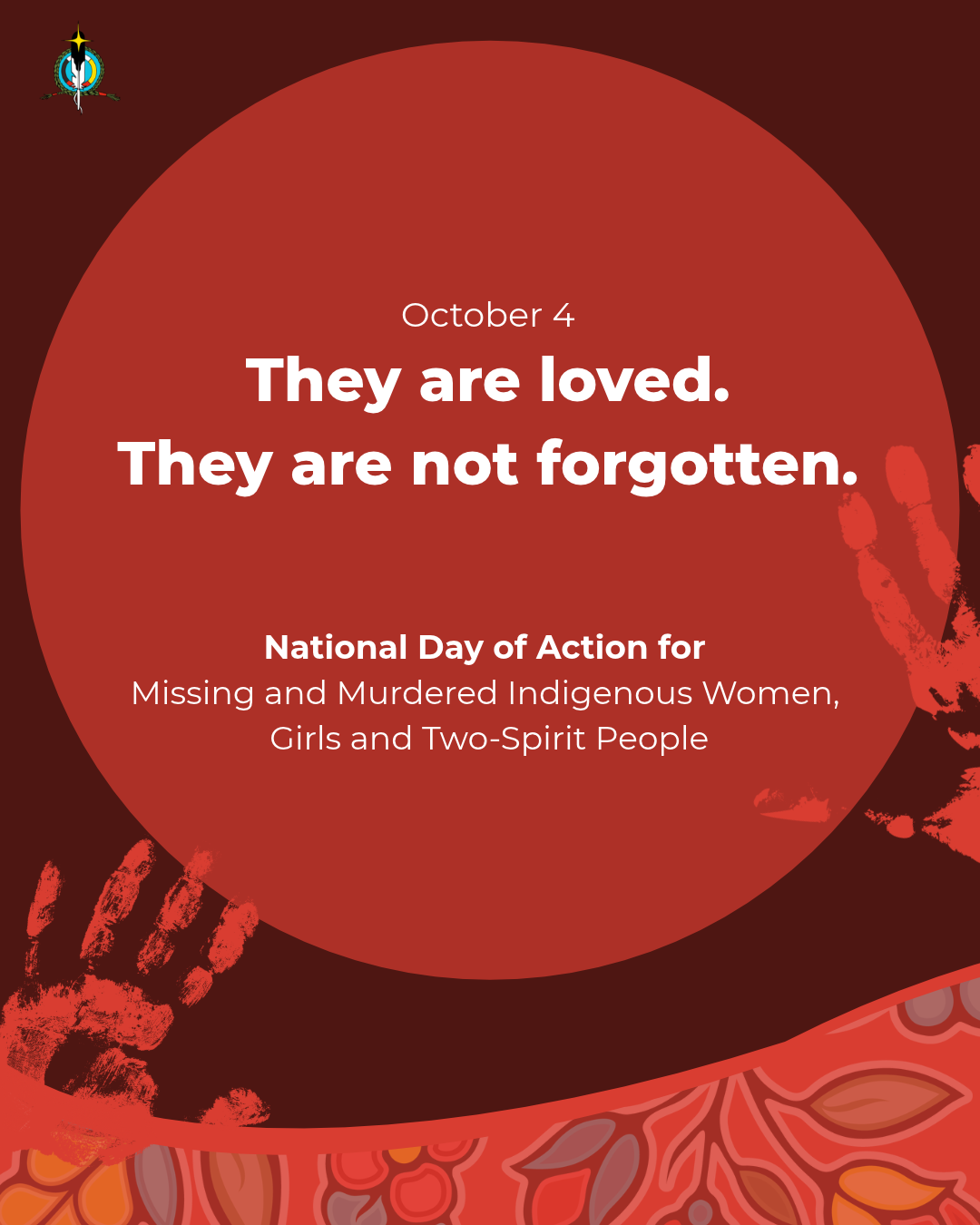
| October 4th marked the National Day of Action for Missing and Murdered Indigenous Women, Girls, and Two-Spirit People (MMIWG2S+), a day to honour those who have been lost, recognize the experiences of families and Survivors and call for justice and accountability. The MMIWG2S+ crisis is rooted in systemic inequalities that continue to affect Indigenous communities, including barriers to safe and equitable healthcare. Addressing these injustices requires listening to Indigenous women, girls, Two Spirit, and gender diverse people and supporting Indigenous-led solutions. The need for action extends beyond one day. The National Inquiry’s 231 Calls for Justice outline changes needed to address this crisis The Native Women’s Association of Canada offers resources to help individuals understand the crisis and participate in informed advocacy. |
| |
|
| | | | October: Mi’kmaq History Month For our friends out East, October is Mi’kmaq History Month, a time to recognize and celebrate Mi’kmaq history, culture and contributions. Breast Cancer Awareness Month October is Breast Cancer Awareness Month, an opportunity to raise awareness of the inequities in cancer outcomes. According to a 2026 study, First Nations people in Ontario are 51% higher risk of mortality following a breast cancer diagnosis than other Ontarians. This disparity highlights the need to address barriers throughout the healthcare system, from timely diagnosis to treatment and ongoing care. |
|
|
| | |
|
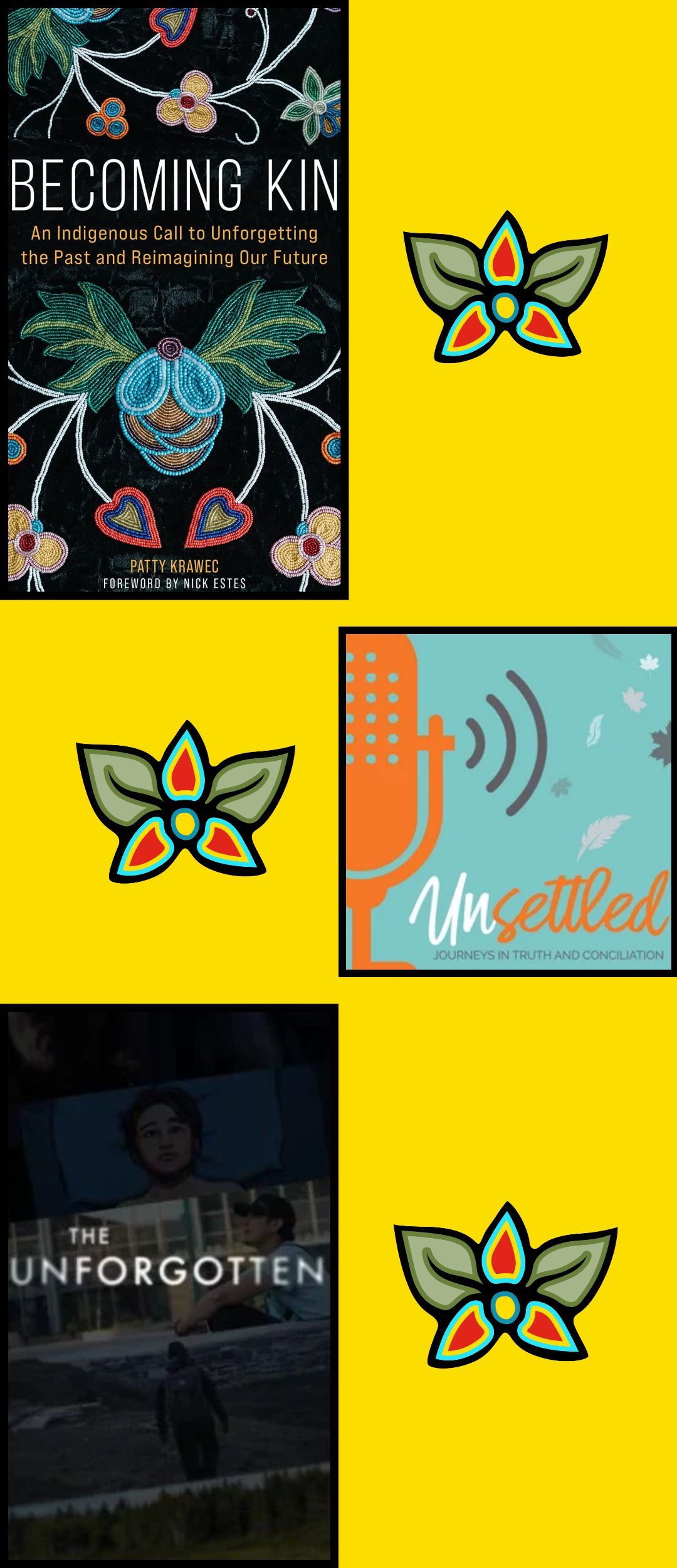
| | | Donor Learning Corner: Honouring Indigenous knowledge, voices and experiences Read this: Becoming Kin: An Indigenous Call to Unforgetting the Past and Reimagining Our Future by Patty Krawec What does it mean to rethink the history we’ve been taught and our relationship with one another? Anishinaabe writer Patty Krawec explores these questions through personal storytelling, Indigenous history and reflections on belonging, responsibility and our connections to the land. |
| | Listen to this: The Unsettled: One Settler’s Path: Listening, Learning and Doing the Work How can learning about reconciliation translate into personal responsibility? In this episode, guest Ian Smith shares his experiences and approaches to putting reconciliation into practice. |
| | Watch This: The Unforgotten This five-part film series explores Indigenous health and wellbeing across different stages of life, sharing personal stories that reveal the lasting impacts of colonialism and the challenges Indigenous people continue to face within Canada’s healthcare system. |
| | |
|
| Have a recommendation for a future Donor Learning Corner? We'd love to hear what you've been reading, listening to, or watching. |
| | Connect With Us! Want more frequent updates on the impact of your gifts? Join our online community for daily stories from the Health Centre and teachings on Indigenous culture and ways of being. -
Instagram: Follow us at @anishnawbehealthfoundation for daily cultural teachings, uplifting stories of resilience and health center news -
LinkedIn: Follow us at @Anishnawbe Health Foundation For sector news, healthcare innovation and foundation milestones |
|
|
| | Your Support Makes Indigenous Led Healthcare Possible Everyday, AHT provides care that brings together Traditional healing and western healthcare supporting Indigenous community members through services grounded in culture and self-determination. As the year draws to a close, please consider making a gift to AHF. Your generosity helps sustain the programs and services that support Indigenous health and wellbeing in Toronto. Eligible donations made by December 31, 2026, may qualify for a charitable donation tax credit on your 2026 income tax return. Thank you for standing alongside us and supporting Indigenous led care. |
| |
|
| |
|
| | |
|
|