| | | |  | | September 2026 Newsletter |
|
|
|
|
| | How You Can Be A part of Reconciliation and Indigenous Communities Thriving Today In Anishinaabe teachings, the Grandmother Moon guides us, offering seasonal teachings rooted in care, balance, and relationships. These teachings will guide us throughout the year. In the ninth moon of the year, the Corn Moon (Mdaamiin Giizis) teaches us about the cycle of life. With 13 rows of multicoloured seeds scattered across the land, each seed serves as a symbol of future generations that will walk on this earth. Mdaamiin Giizis acknowledges the continuity of life and our connection to people, culture and tradition of the past, present, and future. As we prepare for Truth and Reconciliation Day this September, it's important to reflect and remember the people, children, families and generations of communities that were affected by colonialism and residential schools. At AHF, we recognize the historical injustices that have occurred and strive to build towards a culturally grounded future. This month, you can be a part of that change too. This September 29, AHF will bring together community members, embracing the teachings of Mdaamiin Giizis to strengthen meaningful connections to the land, culture, and each other. The health and wellbeing of current and future generations of urban Indigenous people will be acknowledged by gathering at the Distillery Centre Stage to listen, learn and reflect on history and what reconciliation asks of each of us today. Keep reading to discover more about how to engage in true reconciliation that involves acting beyond September 30. Wearing orange and gathering with us can be a first step in that journey. Chii Miigwech for walking alongside us in this journey, Your AHF Team |
| |
|
| Did you know: The Kitchiniigaan Noongom program at AHT has hosted over 13 workshops for more than 53 Indigenous families; supporting them through their baby’s first year of life and grounding wellness in Indigenous values, pregnancy and postpartum wellness, mental health support, nutrition education and more--showing the growing need to support Indigenous families. |
|
|
| | Engaging With Reconciliation As a Verb |
|
|
| |
|
| | Ever since national attention turned to Every Child Matters in 2021, its message continues to honour the Indigenous children and families forever changed by residential schools. We commonly speak of reconciliation during September, but the word alone cannot begin to heal generations of systemic inequality as true reconciliation is an active, living process; it’s a verb. While the National Day for Truth and Reconciliation offers a crucial moment to pause and reflect, the true journey begins when the calendar turns. For survivors, families, and Indigenous communities, the impacts of residential schools and the present-day effects of colonial practices are lived and felt every single day. Our commitment to healing should not end when the day of commemoration is done. |
|
|
You can make a transformative impact by learning how to move from awareness to active allyship throughout the year by educating yourself first. Education is the foundation of action, and AHF provides free resources to help you stay informed year-round. You can begin by following our Instagram @AnishnawbeHealthFoundation for weekly educational spotlights, community stories, and knowledge about Indigenous health, culture and tradition. Visit our Donor Learning Corner featured in each newsletter to further your understanding of Indigenous history, terminology, and current events that need our attention. Learning is just the first step. True reconciliation happens when you challenge colonial perspectives, question old assumptions, and put your knowledge into daily action. Make conscious and intentional spending choices that support Indigenous artists, creators, businesses, and services; and donate to organizations like Anishnawbe Health Foundation that provide culturally safe, holistic care for the urban Indigenous community. Take the time to amplify Indigenous voices when and where you can by sharing Indigenous-created content, books, podcasts, and news. And bring what you learn into your own circle. Talk to your family, friends, and coworkers about reconciliation to keep the conversation going all year long. |
|
|
| | Did you know: The opioid crisis continues to disproportionately affect Indigenous communities due to disenfranchisement and colonialism, with approximately 60% of overdoses and related hospital visits involving Indigenous individuals? AHT’s Rapid Access to Addiction Medicine has helped over 2,363 Indigenous people in the community navigate substance difficulties in 2025. |
|
|
| |
|
| Walking the Path of Reconciliation Together on September 29 |
|
|
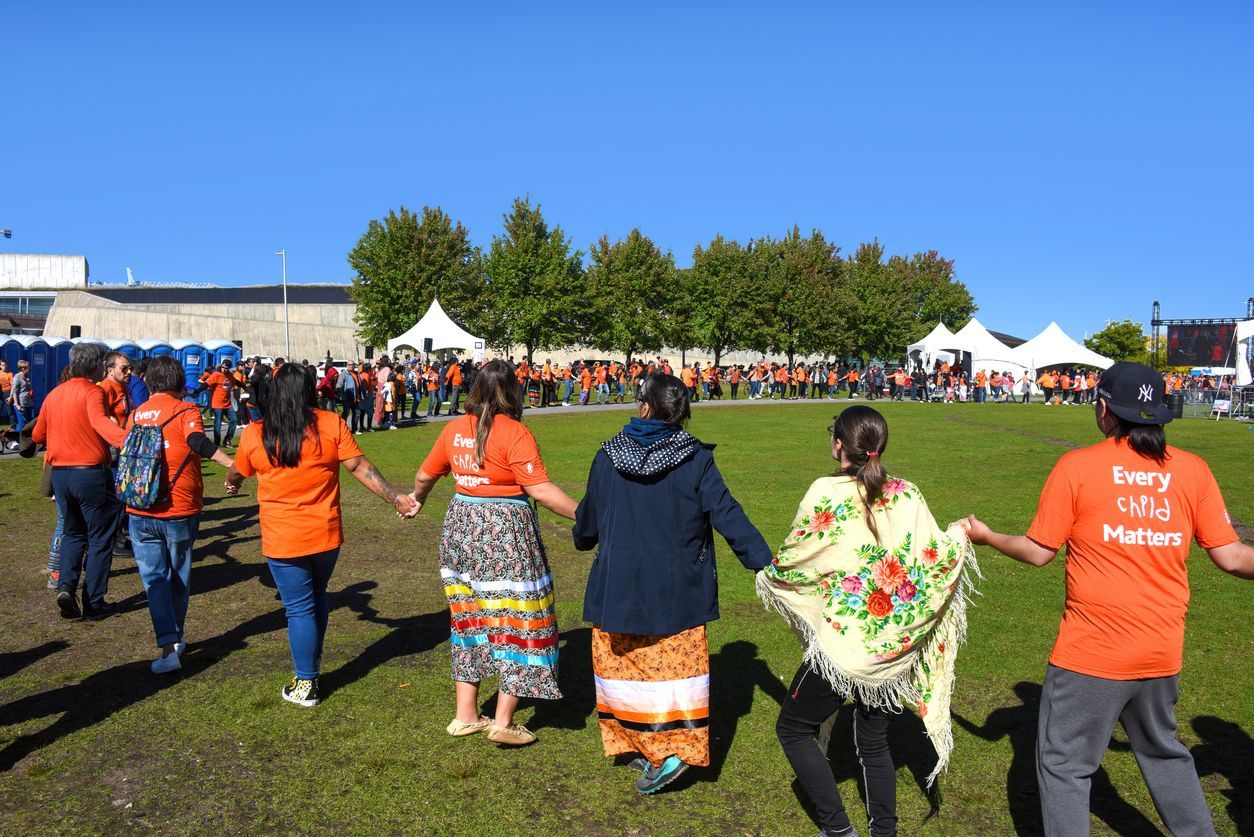
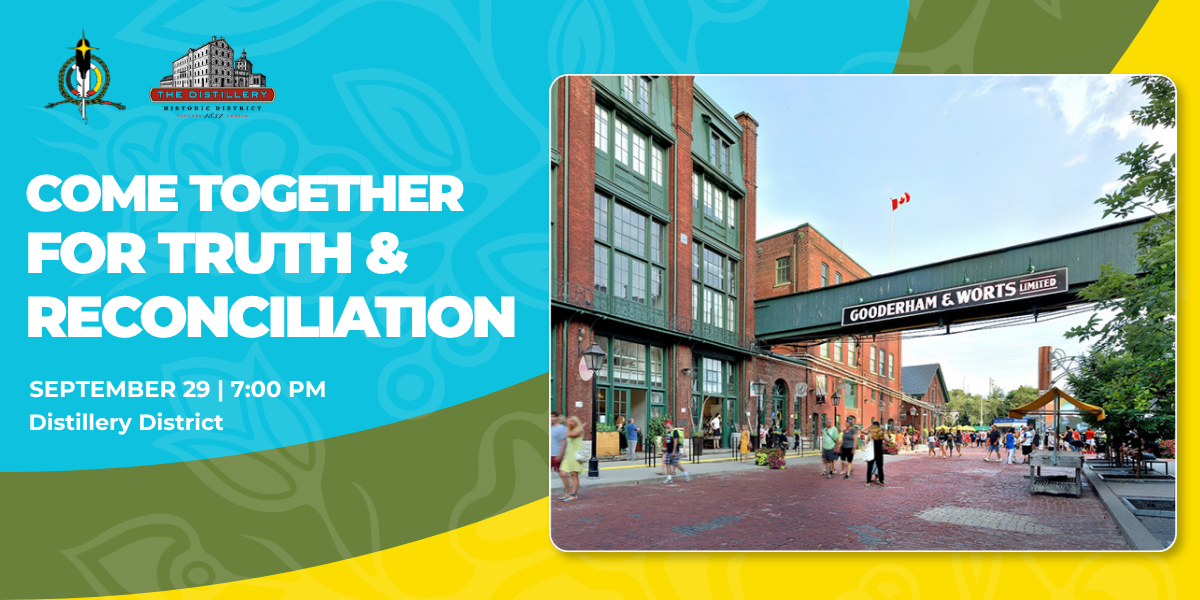
| | Reconciliation is not a single destination or a one-day event that takes place on September 30. It is an ongoing, continuous journey that requires intentional action, listening, and learning across all communities all year. On Tuesday, September 29, Anishnawbe Health Foundation invites you to join and gather with us during a special evening of reflection. We also encourage you to wear your support with our Held In Care Orange T-Shirt to honour the day. Our gathering will take place at the Centre Stage in the Distillery District, showing our collective commitment to moving forward in unity and respect. This evening will be a powerful space for learning and commemoration. |
|
|
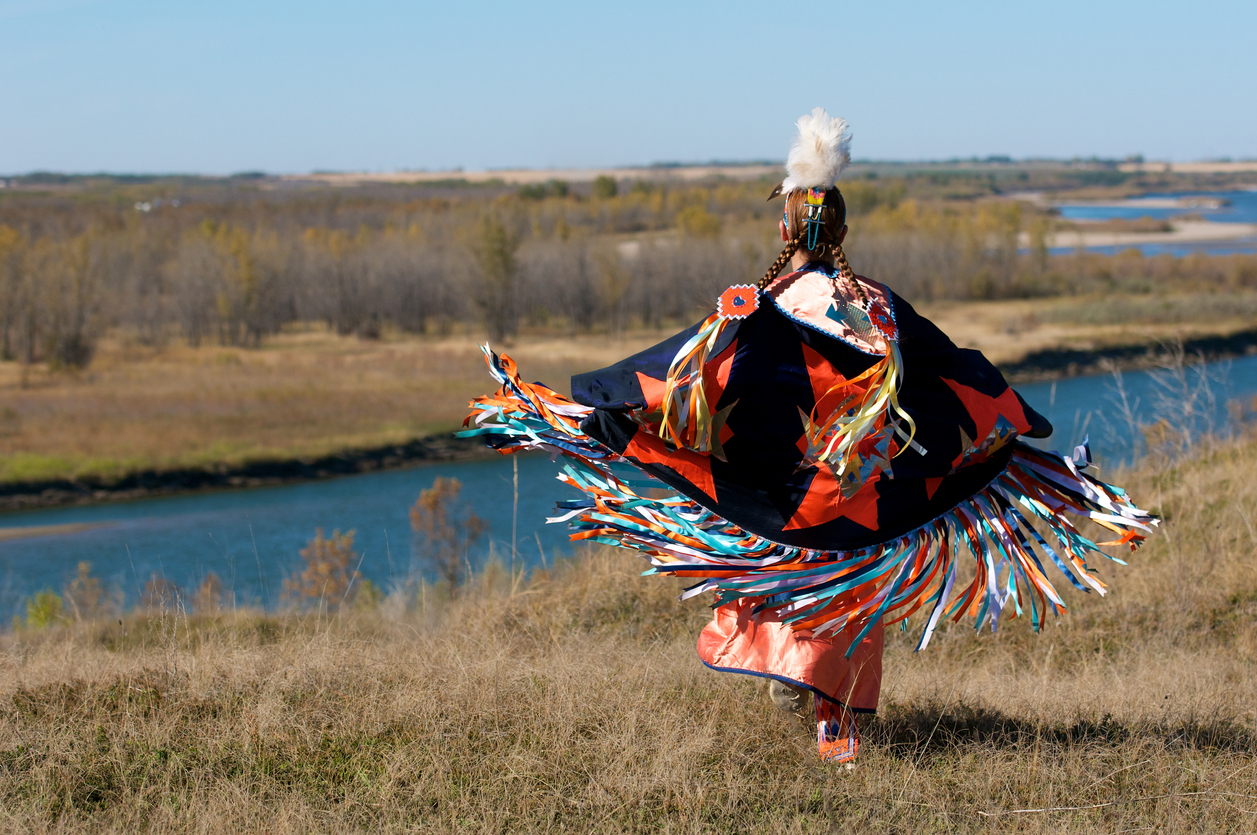
The program taking place from 7:00 p.m. to 8:00 p.m. will include insightful keynote speakers, traditional ceremony to honor survivors and ground our shared intentions; and finally, the night will come to a close with beautiful, traditional Jingle Dress Dancing known for its deep connection to community healing and resilience. Participate in this event to stand with the urban Indigenous community, deepen your personal understanding, and explore how you can practice reconciliation every day. We look forward to walking this path with you. |
|
|
|
|
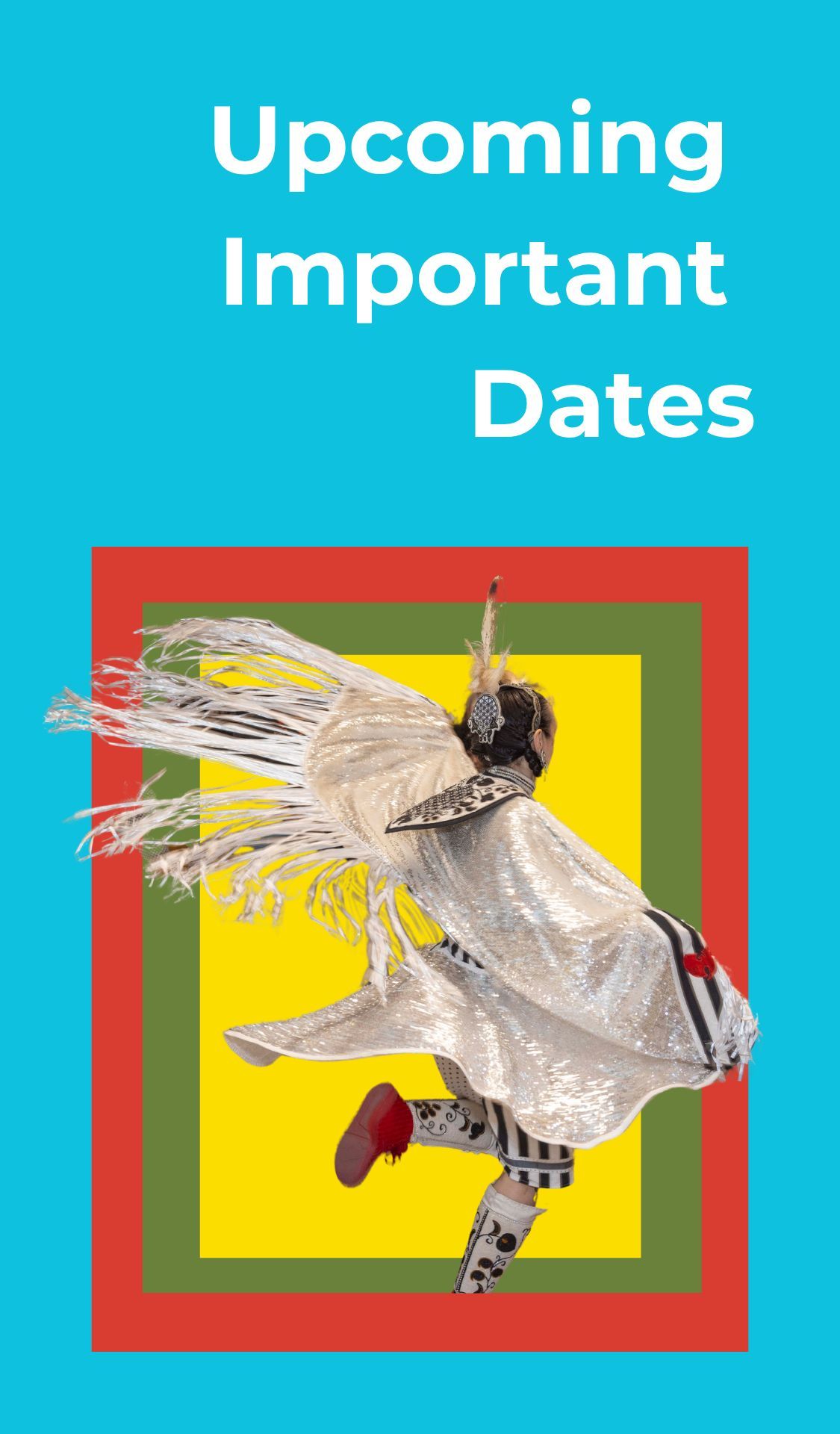
| | | | | September 19 - Powley Day The Métis Nation of Ontario (MNO) and Métis communities across Canada reflect on Powley Day as a major milestone in Métis rights through the R. v. Powley case, signifying a step towards a more inclusive future. It marks the first time Canada’s top court acknowledged Métis people as a distinct Indigenous group with recognition under Section 35 of the Constitution. September 29 – Gather With Us for Reconciliation Gather with AHF at the Distillery District on September 29 at 7PM for an evening of reflection, learning, traditional song and Jingle Dress dancing in honour of National Truth and Reconciliation Day. September 30 – National Day for Truth and Reconciliation As of June 2021, September 30th is officially recognized as the National Day of Truth and Reconciliation. National Day of Truth and Reconciliation coincides with Orange Shirt Day that emphasizes the importance of reflection and awareness of individual, family, and generational impacts that Residential Schools inflicted and left behind. We acknowledge the significance of Every Child Matters, remembering the lives of children who never returned home. |
|
|
| | | |
|
| | We’d love to hear from you...... Take a few minutes to share what connects you to Anishnawbe Health Foundation and what matters most to you about the work of Anishnawbe Health Toronto. Your perspective helps us better understand our community and how we can continue to strengthen our connection with you. |
| |
|
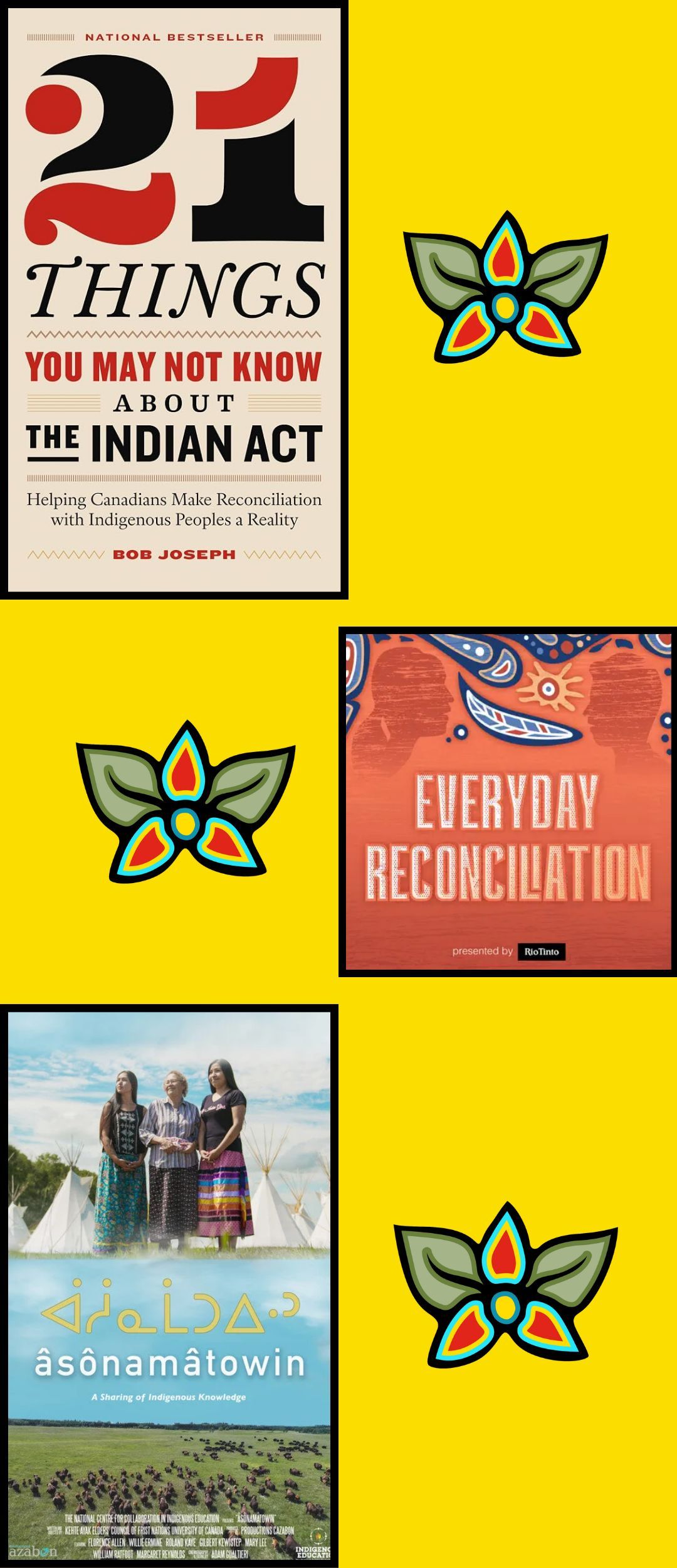
| | | Donor Learning Corner: Honouring Indigenous knowledge, voices and experiences Book of the month: Legacy: 21 Things™ You May Not Know About the Indian Act Written by Bob Joseph is an essential guide to understanding how the Canadian legal document the Indian Act (1876) has shaped and controlled Indigenous people in Canada. Joseph educates learners on its effect on Indigenous communities today, and how to walk towards true reconciliation. Podcast Pick: Everyday Reconciliation: Wealth and Wellbeing This episode, Wealth and Wellbeing, Host Elin Miller speaks with Chief Leanne Joe to discuss how the economy will never be separate from reconciliation, while defining what economic reconciliation is and why it should be important to all Canadians. Watch This: The sequel to Waniska - An Awakening of Indigenous Knowledge, Asônamâtowin - a Sharing of Indigenous Knowledge is a short film recorded across forestry and fields on First Nations land in Canada. The documentary explores land-based healing, the recovery of spiritual traditions and the sharing of knowledge by Indigenous Elders who were legally incapable of practicing their traditions for generations. |
| |
|
| | Connect With Us! Want more frequent updates on the impact of your gifts? Join our online community for daily stories from the Health Centre and teachings on Indigenous culture and ways of being. -
Instagram: Follow us at @anishnawbehealthfoundation for daily cultural teachings, uplifting stories of resilience and health center news -
LinkedIn: Follow us at @Anishnawbe Health Foundation For sector news, healthcare innovation and foundation milestones |
|
|
| | |
|
| | |
|
|