|  | | How Does Your Support Create Pathways to Healing? In Anishinaabe teachings, the Grandmother Moon guides us, offering seasonal teachings rooted in care, balance, and relationships. These teachings will guide us throughout the year. Every season has something to teach us. As wild raspberries begin to ripen, many Indigenous Nations mark July as a time of living under the Raspberry Moon (Mskomini-Giizis); a season that signals the ripening of wild raspberries and reminds us that growth is rarely straightforward. In Anishinaabe teachings, the raspberry bush, which bears both sweet fruit and protective thorns, reminds us that growth and healing often emerge alongside life’s challenges. Those teachings come to life every day at Anishnawbe Health Toronto. Behind every appointment, smudge, and ceremony, a person is taking the next step on their healing journey. Whether someone is reconnecting with culture through Traditional Healing, accessing primary care, or building community through cultural programing, each story is a reminder that healing happens one moment, one relationship, and one act of compassion at a time. In this month’s newsletter, you’ll see how these teachings come to life through the programs and partnerships that your generosity helps make possible. Chi Miiwech for walking alongside us, Your AHF Team |
| |
|
| What Does It Mean to Gather Medicine in a Good Way? |
| | 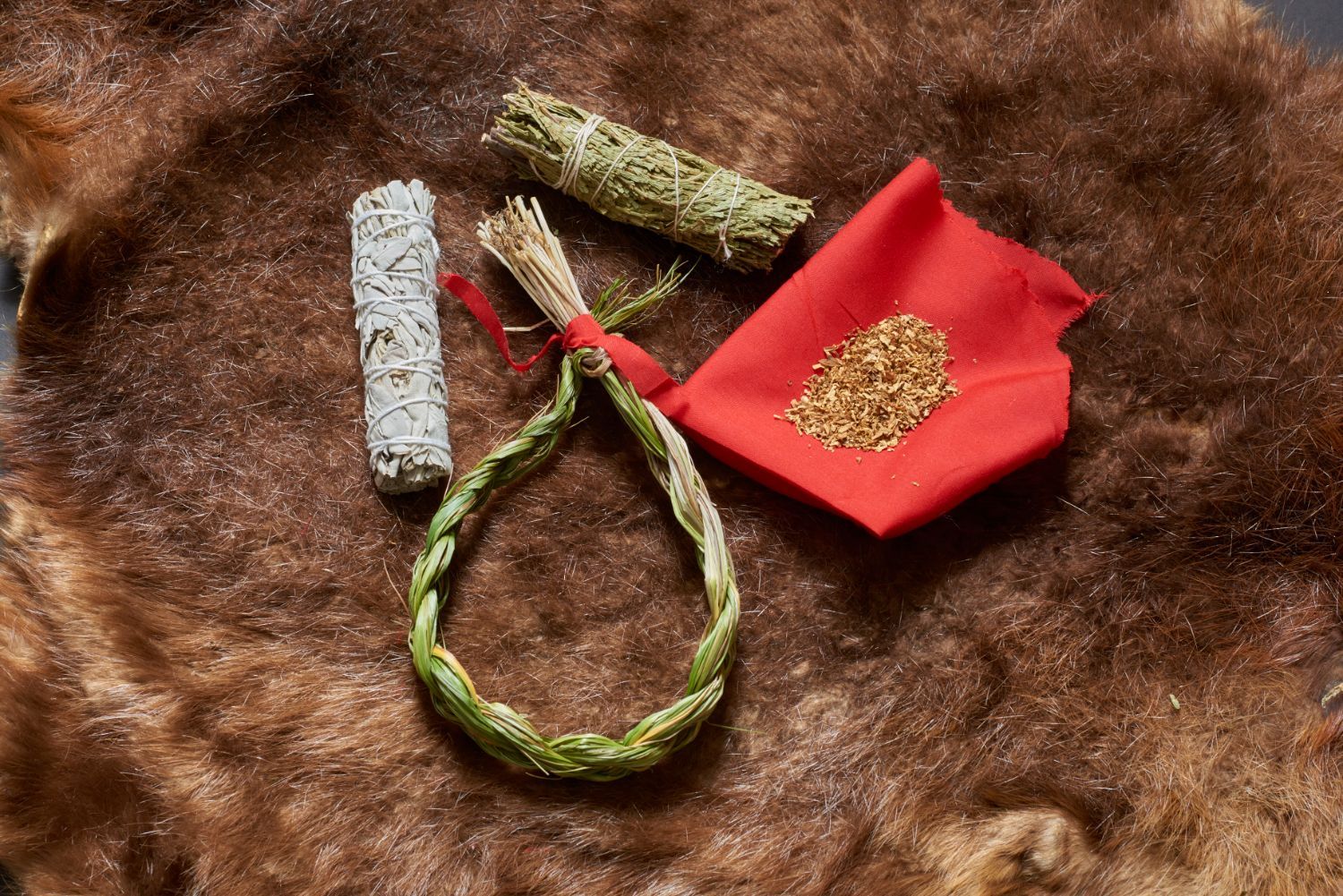 | Long before medicine is used in ceremony or in a Traditional Healing session at Anishnawbe Health Toronto, their journey begins on the land, rooted in relationships and a deep respect for the natural world. Each year, AHT's Traditional Team travels with community members to gather medicines that will be used at the Health Centre throughout the year. Last year, that journey took them to Manitoba, where they gathered the four sacred medicines: Tobacco, Sweetgrass, Sage and Cedar. These medicines are used in ceremonies, teachings, and healing practices across the Health Centre. But medicine gathering is not as simple as picking plants. |
| |
|
| | | | Every step is guided by teachings that have been carried through generations. Offerings are made, gratitude is given, and medicines are gathered with intention and care. Only what is needed is taken, ensuring that the plants can continue to grow and thrive for future generations. As represented through the medicine wheel, each medicine holds a different purpose in Anishnaabe teachings: tobacco for connecting to the spirit world, sweetgrass for kindness and healing, sage for cleansing, and cedar for protection. These sacred protocols remind us that medicines should not be viewed as resources to be harvested, but as living relatives to be respected. Medicine gathering is rooted in reciprocity to mother nature. The land provides what is needed, and in return there is a responsibility to care for the land, and honour the teachings, so they remain available for those who come after us. The gathering itself is also an opportunity for learning. Through medicine picking, knowledge is shared among generations, stories and teachings are passed on, and community members strengthen their connection to the land and with one another. Indigenous approaches to holistic wellness remind us that healing begins long before an appointment takes place. It starts through relationships with culture, community, the land, and the teachings that have guided Indigenous Peoples for generations. |
| |
|
| |
|
| | Did you know that....In 2025, 806 community members took part in Diabetes Education and Prevention Programs at AHF. Diabetes disproportionately affects many Indigenous peoples, making education and early prevention essential to reducing risk and improving long term health outcomes. |
| |
|
| | | Learning Through Listening in an Indigenous-led Space Hello AHF community! My name is Gia, and I joined the Anishnawbe Health Foundation this past May as the Student Digital Communications and Design Assistant. Since high school, I’ve been passionate about learning more about Indigenous history and cultures, and the importance of reconciliation. When the opportunity arose to join the Foundation, I saw it as a chance to turn that passion into meaningful work. As a non-Indigenous person, I accepted this role knowing that it comes with a responsibility to listen and continuously reflect on what I’ve experienced during my time with the Foundation. Over the past few months, I’ve found myself asking an important question: What does meaningful reconciliation look like? As June marked National Indigenous History Month, I had the opportunity to deepen my understanding of many Indigenous Nations and communities across what we now call Canada. I learned more about the lasting impacts of colonialism, and the barriers Indigenous Peoples continue to face today. At the same time, I was welcomed into opportunities to experience Indigenous traditions through drumming circles, ceremony and the sharing of the Creation Story. These experiences reminded me that while it is important to acknowledge the injustices of the past, it is equally important to recognize the strength and rich cultures that continue to thrive today through the guidance of Elders, Knowledge Keepers and community. |
|
|
| | | | This reshaped what reconciliation means to me. I recognize more deeply that reconciliation cannot begin and end in a single month. It is an ongoing commitment to learn and create space for Indigenous voices to lead. As I continue learning, I’ve also come to see that reconciliation can take many forms. Through the foundations work, I’ve witnessed how supporting Indigenous led healthcare helps preserve culture and ensure traditional healing continues to be accessible for future generations. I'm proud to work at an organization that contributes to the wellness and future success of Indigenous Peoples, one step at a time. As I work to create meaningful change, AHF’s community has shown me reconciliation is reflected in everyday actions that create space for Indigenous voices, cultures, and communities to thrive. |
|  |
|
| | Did you know that... In 2025, Anishnawbe Health Toronto’s Fetal Alcohol Spectrum Disorder program offered 200 specialized appointments to 39 community members, helping families access comprehensive assessments that inform diagnosis, create care plans, and connect them with essential services they need. |
| |
|
| | | July Upcoming Dates: July 9: Nunavut Day In 1993, the Parliament of Canada passed the Nunavut Land Claims Agreement Act and the Nunavut Act, which led to Nunavut being officially recognized as a territory on April 1, 1999. Nunavut Day honours Inuit self-determination and celebrates the cultural heritage, traditions, and contributions of Inuit in Canada. July 26: Elder Recognition Day Honours Indigenous Elders for their wisdom, leadership, and cultural knowledge, recognizing their role in preserving traditions, guiding communities, and supporting future generations. July 31: National Bannock Day Established by UFCW Canada, celebrates bannock as a staple Indigenous food and honours Indigenous culinary traditions and the communities that continue to share them. |
|
|
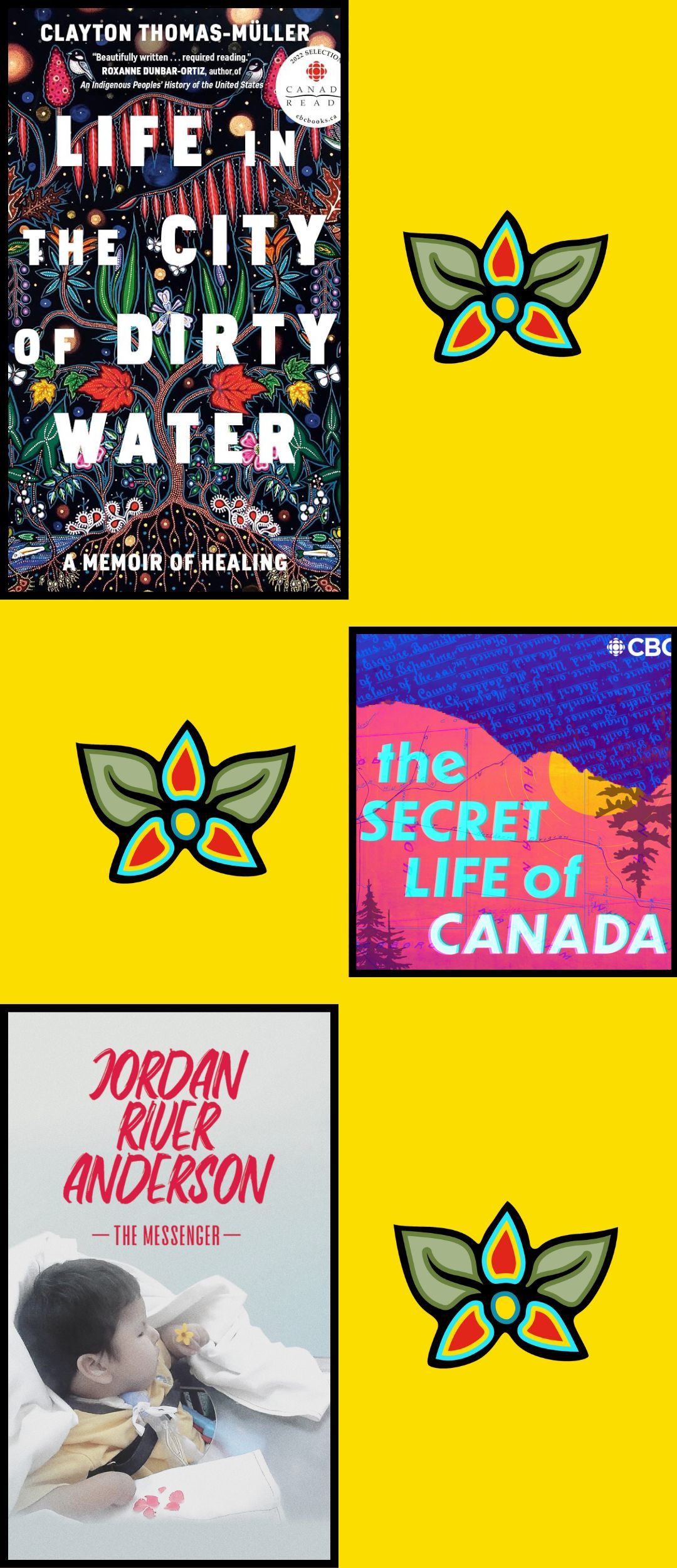
| | Donor Learning Corner: Honouring Indigenous knowledge, voices and experiences. Book of the month: Life in the City of Dirty Water: A Memoir of Healing by Clayton Thomas-Muller Growing up facing intergenerational trauma, poverty and addiction in Winnipeg, Clayton Thomas-Muller shares a personal story of healing through reconnecting with his Cree culture. His memoir explores how individual healing is interwoven with community, identity and powerful movements for Indigenous rights and environmental justice. Podcast Pick: The Secret Life of Canada: Treaty 6 This episode explores Treaty 6, a 1876 agreement between the Crown and Cree, Assiniboine, and other Plains and Woods peoples covering parts of Alberta and Saskatchewan, where land was exchanged for promises of health care, education, and famine relief. This podcast episode helps unpack how these unequal dynamics in historical agreements continue to influence conversations about Indigenous rights today. Watch This: Jordan River Anderson, the Messenger This powerful documentary tells the story of Jordan River, a young Cree boy whose hospital experience revealed major gaps in government responsibility for Indigenous children’s care in Canada. His legacy led to the creation of Jordan’s Principle, helping ensure First Nations children can access healthcare and essential services without delay. |
|
|
| | Connect With Us! Want more frequent updates on the impact of your gifts? Join our online community for daily stories from the Health Centre and teachings on Indigenous culture and ways of being. -
Instagram: Follow us at @anishnawbehealthfoundation for daily cultural teachings, uplifting stories of resilience and health center news -
LinkedIn: Follow us at @Anishnawbe Health Foundation For sector news, healthcare innovation and foundation milestones |
|
|
| | |
|
| | |
|
|