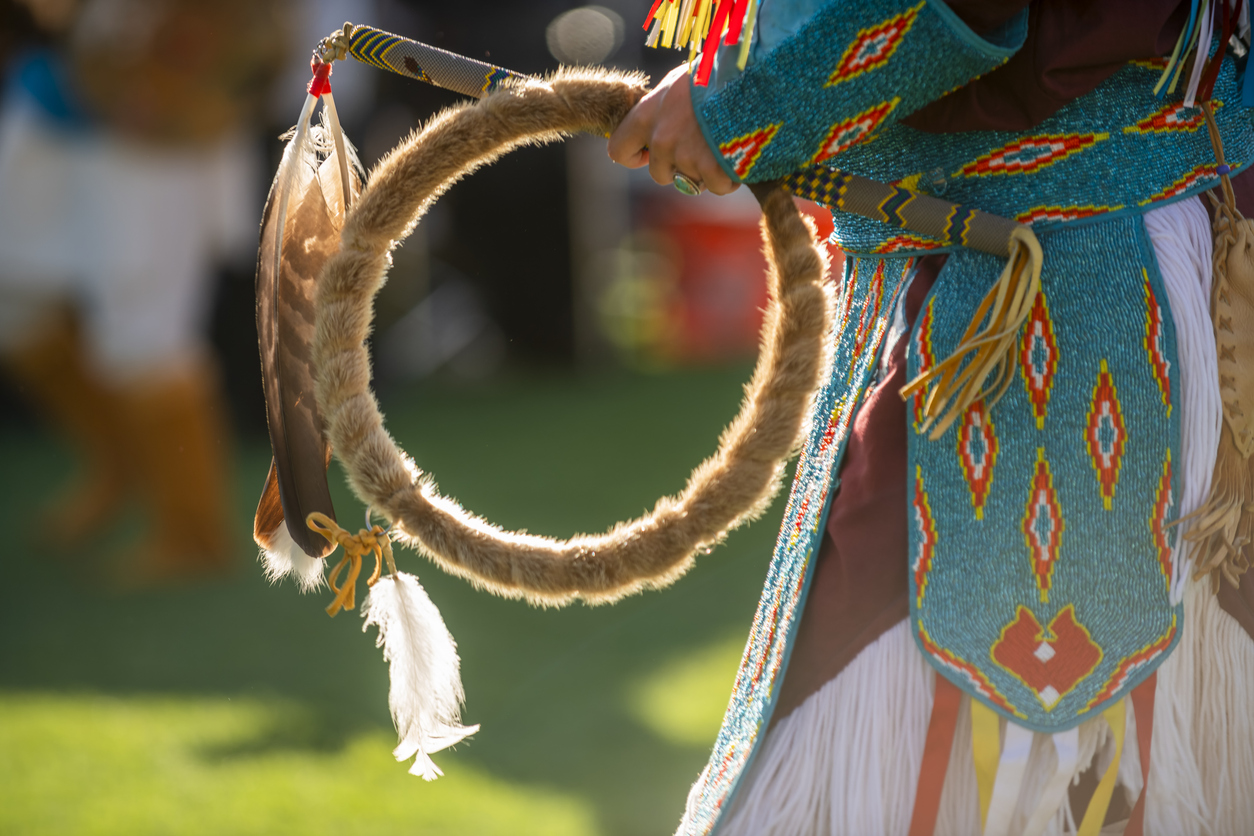
| | Celebrating Indigenous History and Voices In Anishinaabe teachings, the Grandmother Moon guides us, offering seasonal teachings rooted in care, balance, and relationships. These teachings will guide us throughout the year. The Ode'imin Giizis (Strawberry Moon) in June marks a season of connection, generosity, and gratitude. Often referred to as the heart berry, the strawberry reminds us of the importance of relationships and the responsibility we have to care for one another. The values reflected in the Strawberry Moon are also at the heart of many of the celebrations and reflections that take place throughout June. June is one of the most significant months of the year for Indigenous communities. National Indigenous History Month, and National Indigenous Peoples Day (June 21) are opportunities to celebrate Indigenous cultures, languages, knowledge, and achievements while reflecting on the histories that continue to shape our communities today. Many of the cultural practices we celebrate today like beading, drumming, and singing survived because generations of Indigenous people protected and carried them forward despite attempts to erase them. As we honour Indigenous History Month, we are reminded that culture is not only something to celebrate it is essential to health. Connection to culture can strengthen identity and help address many of the social determinants of health that impact Indigenous communities. When people feel connected to their language, traditions, and community, they are more likely to experience improved well-being leading to a more fulfilling life. This is why Indigenous-led care matters, it recognizes that health is shaped not only by the services people access, but also by their connection to culture, belonging, and identity. In this month's newsletter, we invite you to explore upcoming events, learn from Indigenous voices, and discover how your support helps create opportunities for Indigenous peoples to access culturally grounded care. Chi Miigwech, Your AHF Team |
| |
|
| More than a Building One year ago, Anishnawbe Health Toronto opened the doors to its new Health Centre at 425 Cherry Street.The Centre was envisioned as more than a health care facility, it was dreamed of as a space where Indigenous people could access care, reconnect with culture, gather in community, and feel a sense of belonging. As we celebrate its first anniversary, we reflect on the lives touched, and community strengthened within its walls. |
| The Centre has become a vibrant hub for health and culture. In the last year alone, more than 11,400 primary care appointments were delivered, while Traditional Healers supported community members through 755 Traditional Healing visits and nearly 1,700 Traditional and Mental Health counselling visits. Across programs and services, thousands of Indigenous people accessed culturally grounded programming designed to meet their needs in spirit, mind, emotion, and body. |
|  | |
|
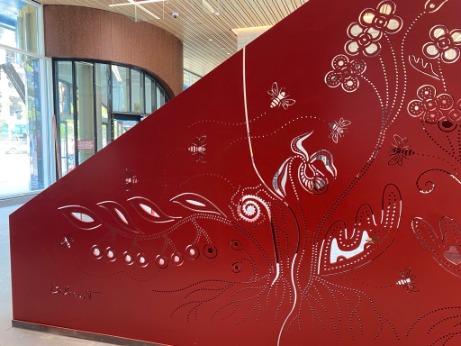 | The impact of the Centre extends far beyond clinical care. This year also marked the beginning of Sweats, Drumming, Dancing, and other ceremonies in the new space. Youth gathered for medicine walks, sweat lodges, beading circles, regalia making, and cultural teachings, while families, Elders, and community members came together through workshops, ceremonies, and community events. These moments of connection are not simply activities; they are expressions of culture and belonging that contribute to the strength of our community. In just one year the Health Centre has become a space where relationships are built, teachings are shared, and people know they belong. As we celebrate this milestone, we honour the vision of the many Elders, leaders, staff, donors, and community members who helped bring this dream to life. What began as a dream has become a transformative space that has change what Indigenous health care looks like in Toronto. |
| |
|
| |
|
| | Did you know that.... The Chiropody unit supported over 170 clients across nearly 760 sessions in 2025. For many clients, ongoing foot care can prevent complications, reduce pain, and support independence. |
| | |
|
| Community Spotlight: June 21: Scoop for a Cause Celebrate National Indigenous Peoples Day with a sweet treat from Ed's Real Scoop. On June 21, $1 from every scoop and milkshake sold at all locations will be donated to Anishnawbe Health Foundation to support Indigenous health, healing, and community. |
| |
|
| |
|
| | Meet AHF’s new Director of Fundraising, Mario James-Midy This month, we’re pleased to introduce Mario, our new Director of Fundraising. We sat down with him to learn more about his background, what brought him to AHF and what excites him most about supporting Indigenous health and wellness. What drew you to Anishnawbe Health Foundation? I was drawn to Anishnawbe Health Foundation because its mission reflects a belief I hold deeply: healthcare that does not prioritize culture is incomplete. Healthcare is a human right, and honouring that right requires a holistic approach that supports mind, body, spirit, and community. The Foundation’s commitment to culturally grounded healing aligns strongly with my values and makes the opportunity to contribute to this work both meaningful and necessary. |
|  |
|
| | | | What excites you most about this role? What the Health Centre and Foundation have achieved so far is truly remarkable. The chance to build on that momentum and help bring the organization’s vision and community priorities to life is incredibly energizing. On a personal level, this role also allows me to continue amplifying Indigenous voices and to honour a culture that is part of my son’s heritage. Being able to contribute to that in a real and lasting way is deeply exciting. |
| |  | | Why is fundraising important to you? To me, fundraising is far more than a financial exchange. It is a collective act of care. It brings people together to address the needs of those who are too often unheard. Fundraising is what happens when individuals choose to look beyond the “I” and prioritize the “we.”. That shared commitment to community resonates with me profoundly, because I believe our greatest achievements come through partnership, not isolation. What's something people might be surprised to learn about you? I consider myself to be a five-star dessert chef. It's important to note that only I consider myself a five-star dessert chef. |
|
|
| | In 2025, the AHT Oshkii Okitchiidak Youth Program welcomed 502 youth across 53 workshops, groups, ceremonies and events. Every gathering helps strengthen the wellbeing of Indigenous youth. |
| |
|
| | | Upcoming Dates: June: National Indigenous History Month A month to celebrate the histories, cultures, contributions, and resilience of First Nations, Inuit, and Métis Peoples. June Pride Month: A time to celebrate the diversity, strength, and contributions of 2SLGBTQIA+ communities. June 13: Na-Me-Res Traditional Powwow Join Na-Me-Res for an evening of traditional dancing, drumming, singing, and community celebration. This annual gathering is an opportunity to experience and honour Indigenous culture in a welcoming and family-friendly setting. June 14: Christie Pits Sacred Fire Weekend The Sacred Fire Weekend invites community members to gather, reflect, and learn through ceremony, teachings, and cultural connections. All are welcome to attend. June 14: Indigenous Art Journey presented by Shawish Market Celebrate Indigenous creativity through a curated showcase of artwork, crafts, and storytelling. Meet Indigenous artists and makers. June 20: Indigenous Arts Festival Presented by the City of Toronto One of the largest celebrations of Indigenous arts and culture in Toronto, this festival features live performances, music, storytelling, food, and interactive experiences. June 21: National Indigenous Peoples Day, and Summer Solstice A day to recognize and celebrate Indigenous cultures, languages, traditions, and communities across Turtle Island. Coinciding with the Summer Solstice, it is also a time of renewal, growth, and connection to the land, culture, and community. |
|
|
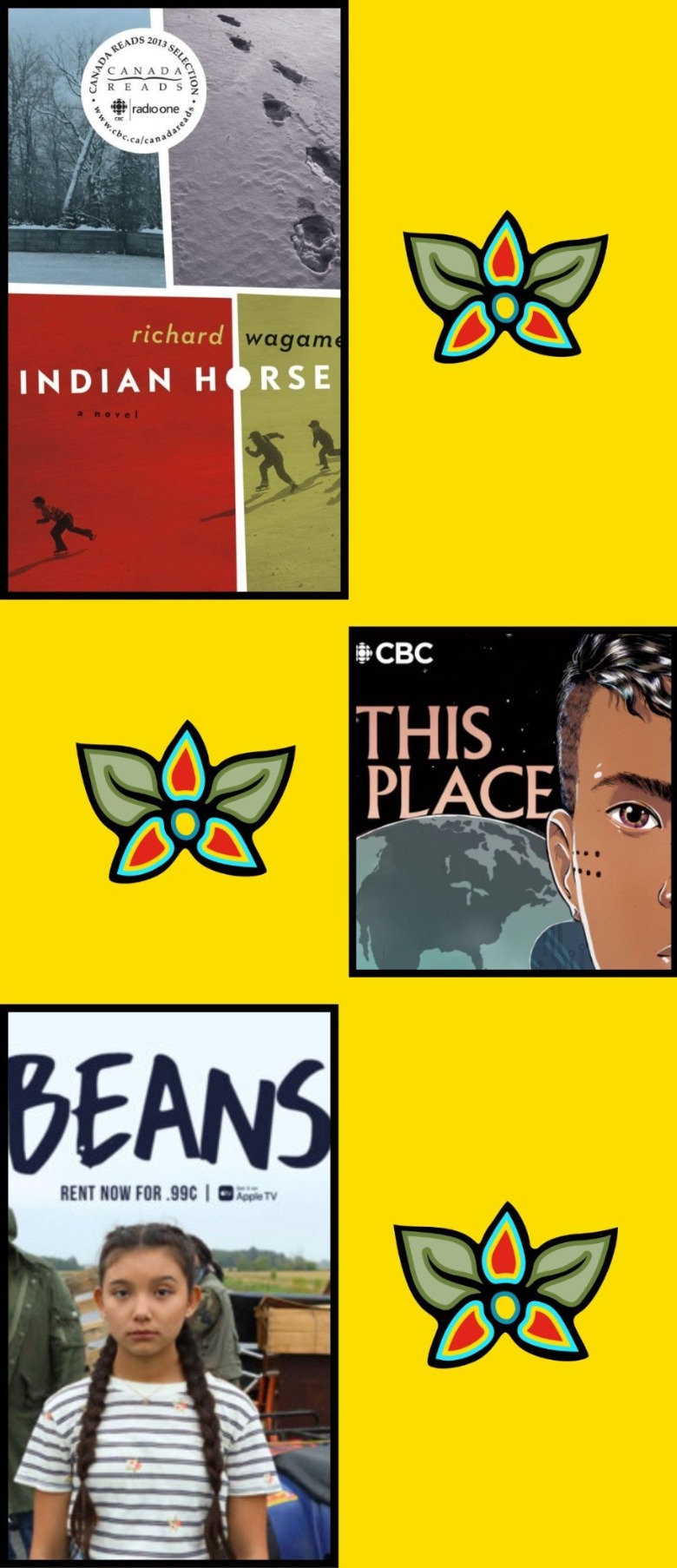
| | Donor Learning Corner: Honouring Indigenous knowledge, voices and experiences. Book of the month: Indian Horse by Richard Wagamese Indian Horse by Richard Wagamese follows Saul Indian Horse, an Indigenous boy whose love for hockey becomes both an escape from and a way to cope with the trauma he experiences in Canada’s residential school system. As he gains success on the ice, he continues to struggle with racism, addiction, and the impacts of colonialism. Podcast Pick: This Place: Nimikii Nimkii follows a Sixties Scoop survivor as she reflects on the trauma of being separated from her family and culture. Through her story, the podcast explores impacts of colonial policies, loss, and resilience within Indigenous communities. Watch This: Beans by Tracey Deer Beans follows twelve-year-old Tekehentahkhwa (“Beans”) during the Oka Crisis as she navigates racism, conflict and the challenges of growing up amid a dispute over Indigenous land rights. Inspired by director Tracey Deer’s own experiences, the film explores the emotional impact of colonial conflict on Indigenous youth and communities. |
|
|
| | Connect With Us! Want more frequent updates on the impact of your gifts? Join our online community for daily stories from the Health Centre and teachings on Indigenous culture and ways of being. -
Instagram: Follow us at @anishnawbehealthfoundation for daily cultural teachings, uplifting stories of resilience and health center news -
LinkedIn: Follow us at @Anishnawbe Health Foundation For sector news, healthcare innovation and foundation milestones |
|
|
| | |
|
| | |
|
|