 | | September 2025 Newsletter |
| |
|
|
|
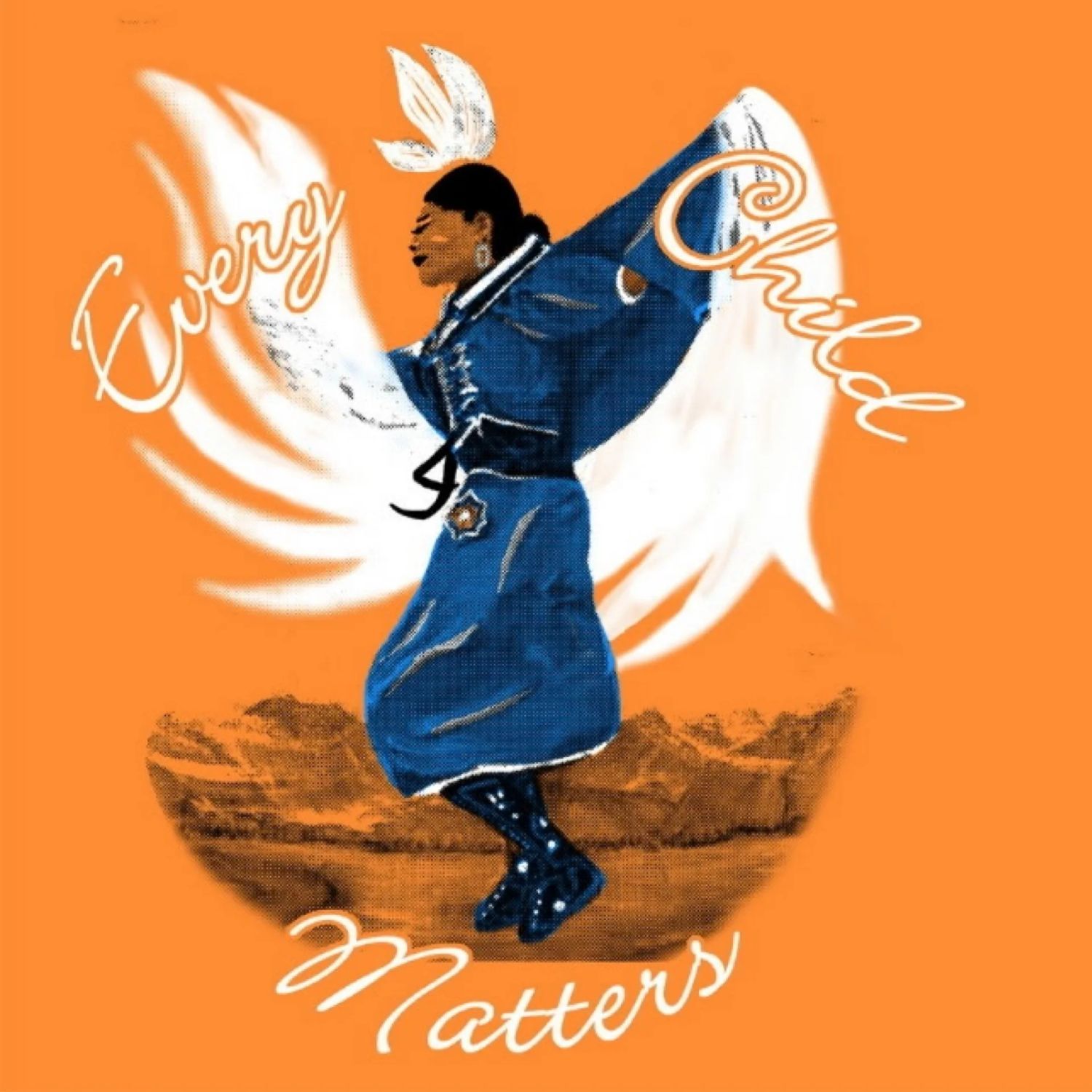
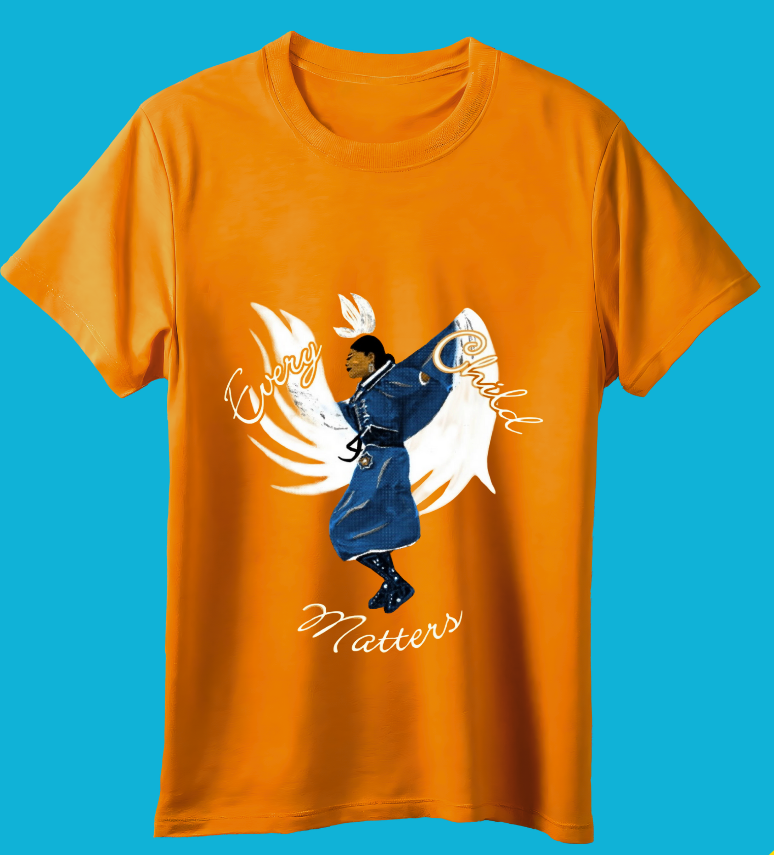
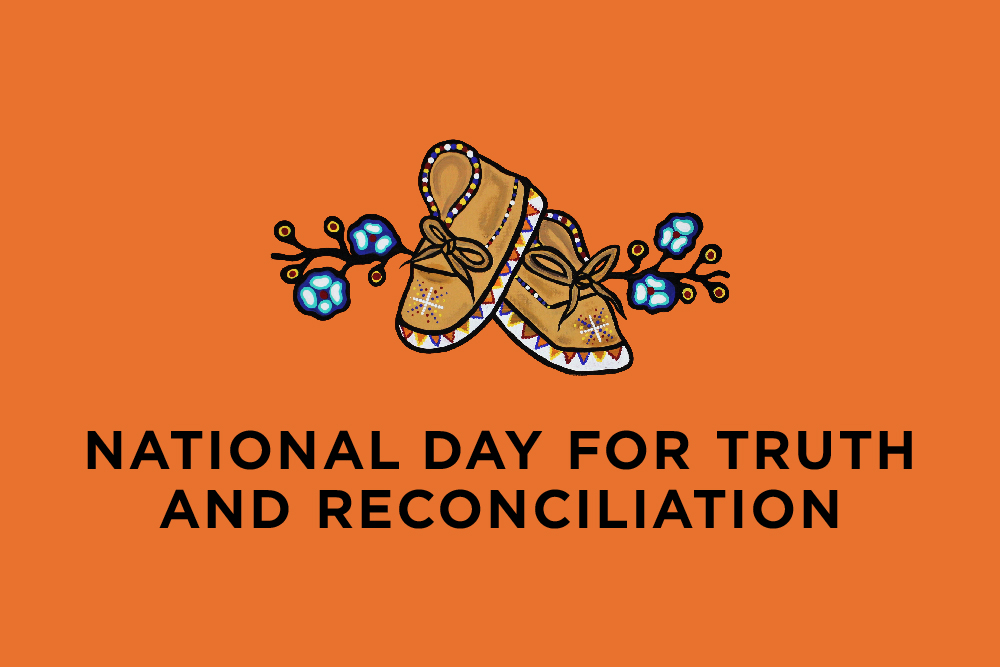
| | Orange Shirt Day: Healing from the past, and looking to the future  September brings in cooler breezes signaling the changing season. Leaves begin to turn and the corn moon rises, symbolizing the cycle of life and the enduring importance of future generations. This is a month of reflection and remembrance. During September, we make an intentional pause to honour the children and families whose lives were forever changed by the residential school system. It is a time to stand together in remembrance, celebrating Indigenous strength, and providing support to heal. September 30th is National Truth and Reconciliation Day, a day to recognize the injustice done to Indigenous Peoples and communities, and also a time to commit to revitalizing culture, truth and hope. One of the ways you can participate is by purchasing an Orange Shirt, the proceeds go towards helping fund Indigenous led healing programs at AHT that provide care, and cultural reconnection for the community. This year's Orange Shirt features “Sky Dance” by Jodi Harrison (Hill), of the Mohawks of the Bay of Quinte. In the spirit of Truth and Reconciliation, Sky Dance is a tribute to resilience, remembrance, and renewal. Through this piece, you are invited into a sacred moment: a celebration of Indigenous strength, spirit, and survival. The shawl dancer moves like a butterfly, taking to the sky in flowing fringe and vibrant colour. Each leap and twirl tells a story passed down through generations. A story once silenced, now rising again, graceful, powerful, unbroken. This traditional dance is more than movement. It is medicine. It is memory. It is a reclaiming of identity and a vow to protect what was nearly lost. Much has been taken. Many tears have been shed. But culture lives on, in every step, every thread, every child who learns and carries forward their ancestors’ truth. We honour the past by dancing into the future. Every Child Matters. If you would like to offer your support you can pre order your Orange Shirt through the button below. We also welcome you to make a donation. As you continue reading this month's newsletter, we ask that you take time to reflect on your own journey of reconciliation and consider how your learnings can be put into meaningful action. Chi Miigwech! Brooke Harrison Senior Marketing, Communications and Donor Relations Manager |
| | |
|
| The Origins of Orange Shirt Day: The Orange Shirt Day movement was inspired by the story of Phyllis Webstad and her experience entering a Residential School. In 1973, at the Stswecem’c Xgat’tem First Nation, a little girl with sparkling eyes and chocolate brown hair named Phyllis Webstad was preparing for her first day at Saint Joseph Mission Residential School. She proudly chose a brand new, shiny orange shirt to wear. However, upon arriving Phyllis was stripped of her clothing, never to see the orange shirt again. This painful experience represents the stripping away of identity, and culture that countless Indigenous children faced in Canada’s Residential Schools, a trauma that continues to affect Indigenous communities today. Phyllis’s story symbolizes the loss of identity, culture and childhood experienced by so many innocent Indigenous children. As a way to honour this story and so many others like it, we wear our orange shirts proudly and exclaim Every Child Matters. |
| |
|
| |
|
| | The Truth and Reconciliation Commission: The Truth and Reconciliation Commission (TRC) was established to document the history and legacy of residential schools in Canada. Its calls to action provide a roadmap for individuals, organizations and the Canadian government to engage in meaningful reconciliation, emphasizing education, awareness, cultural revitalization and support for survivors and their families. September 30th, also known as Truth and Reconciliation Day, or Orange Shirt Day, is directly connected to the TRC’s work. It is a day to reflect and educate yourself on the experiences of children in residential schools and acknowledge the ongoing impacts on Indigenous communities. By observing this day, we honour the past, listen to the stories of Survivors, and commit to the TRC’s vision of reconciliation in our daily actions. At AHF, we respond directly to these Calls to Action by funding programs that provide culturally safe health services, traditional healing, and community wellness initiatives for Indigenous people in the GTA. Every contribution made helps bring these programs to life. |
| |
|
| |
|
| | How to Put Reconciliation into Action: This September here are some ways you can actively engage in reconciliation: |
| |
|
| | Did you know: The residential school system in Canada began in the 1870s and continued until the last federally funded school closed in 1996. Over this period more than 150,000 Indigenous children were forcibly removed from their families to attend these institutions. |
| |
|
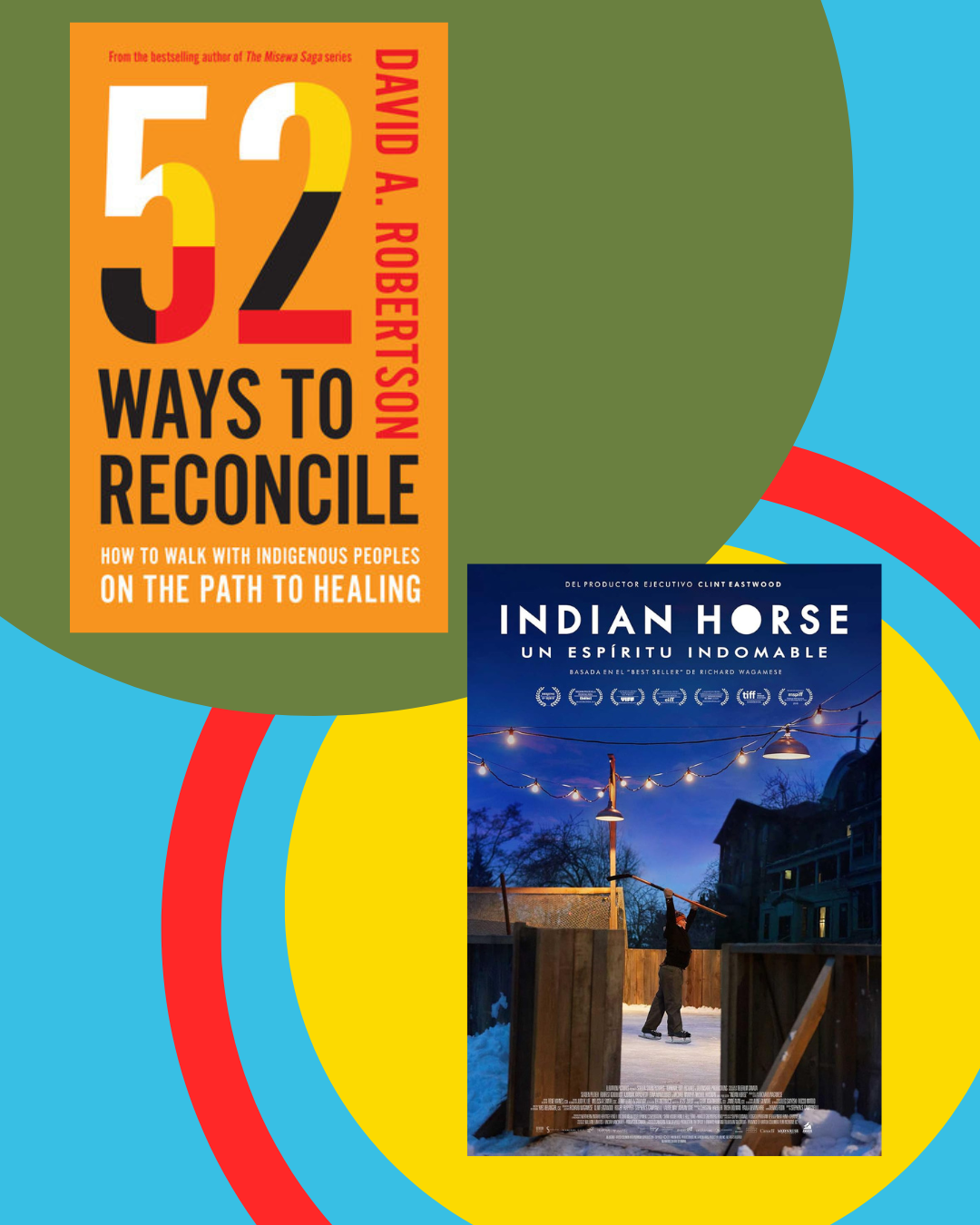
| | Donor Learning Corner: Honouring Indigenous knowledge, voices and experiences What to Read: 52 Ways to Reconcile: How to Walk with Indigenous Peoples on the Path to Healing by David A. Robertson This is the essential guide for all Canadians to understand how small and attainable acts towards reconciliation can make an enormous difference in our collective efforts to build a reconciled country. 52 Ways to Reconcile is an accessible, friendly guide for non-Indigenous people eager to learn, or Indigenous people eager to do more in our collective effort towards reconciliation, as people, and as a country. What to Watch: Indian Horse Indian Horse is a powerful and deeply moving Canadian drama based on the acclaimed novel by Richard Wagamese. The film follows the life of Saul Indian Horse, an Ojibwe boy who is forcibly taken from his family and placed into a residential school in 1950s Canada. There, he experiences the brutal realities of cultural erasure, abuse, and isolation. Despite the trauma, Saul discovers a talent for hockey, which becomes both a refuge and a complex path through which he grapples with his past. |
|
|
| | Your Support is Vital For over 35 years, Anishnawbe Health Toronto has been a fixture in the city. When you make a gift, you’re helping fund programs and services that are Indigenous developed and led. At the heart of AHT is our Traditional Healers, whose wisdom, ceremony and compassion guide each client on a path of healing rooted in culture, identity and deep connection to community. The health center's dedication to integrating traditional healing practices and cultural preservation is critical to keeping our culture and our people thriving not just on reserve but also in urban settings like Toronto. We cannot walk our healing path alone. We need donors like you. Together, we are working towards the common goals of reconciliation and a stronger, healthier urban Indigenous community |
| |
|
| | |
|
| | |
|
|